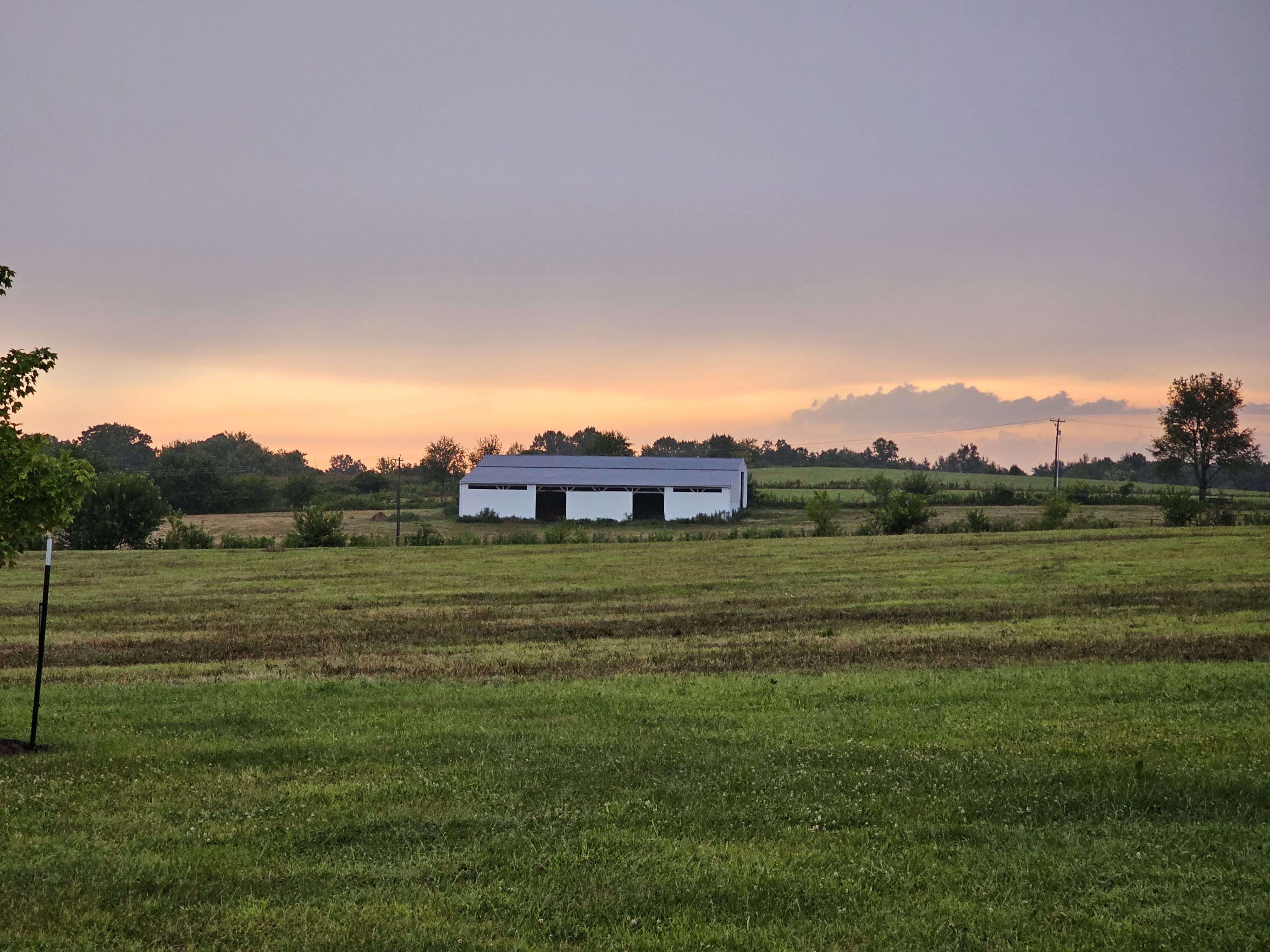


Farmland. Central Kentucky. Beginning Farmers Welcome.

Your Farm Isn't as Far Away
as You Think.

Kentucky is still one of the few places where owning farmland and building a life around it is truly possible. But finding the right land, understanding your financing options, and actually making it work? That takes someone who knows both the land and the path forward.

I See Land the Way a Farmer Sees It.

I grew up on a 40-acre farm. Today, I raise my four kids on 50 acres here in central Kentucky, raising animals, growing food we share and sell in our community, and cultivating herbal products that we've built a real business around.

I didn't become a real estate agent and forget where I came from. I see land the way a farmer sees it.

That means I notice things other agents miss: the best places to build, soil quality that actually matters, water access that will sustain you, and infrastructure that makes your vision realistic instead of a financial strain.

And I know the programs that can get you there.

Toni Schafer and her family on their 50-acre farm in Central Kentucky
50 Acres. Our farm.
Central Kentucky.

The Biggest Myth About Buying Farmland in Kentucky

"You need to come from a farming family. You need a lot of money down. You need decades of experience."

None of that is actually true anymore.

I talk to people all the time who've been dreaming about owning land, starting a farm, or building a self-sufficient life in Kentucky. But they stopped themselves before they even started. They thought it wasn't financially possible. They thought they weren't the "right kind" of person for it.

That misconception costs real people their dreams.

The truth? Kentucky has made a serious commitment to helping the next generation of farmers step in. There are real pathways available right now that most people don't know about.

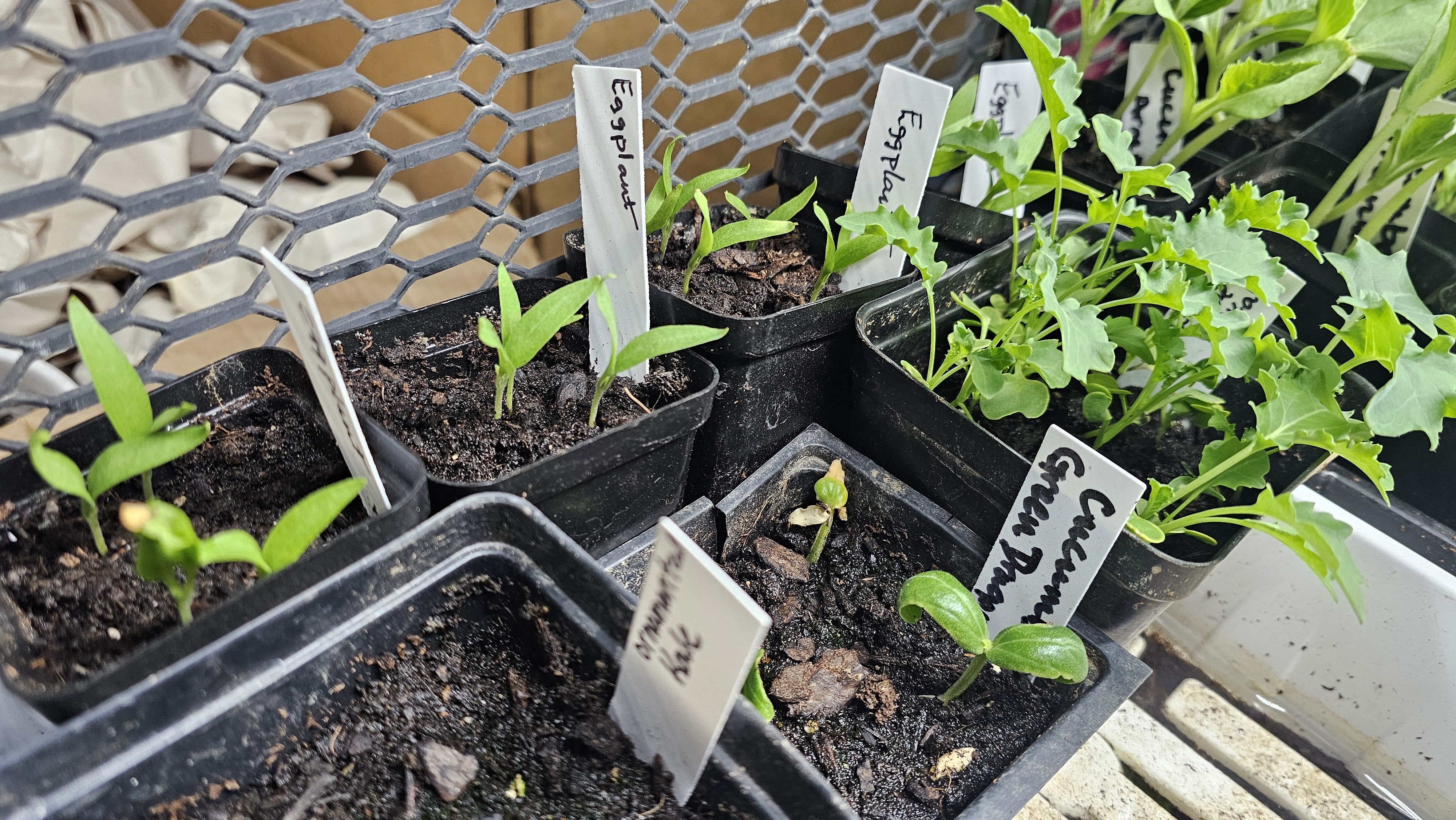
Young seedlings being cultivated, representing the beginning of a farm operation in Central Kentucky

The Programs That Make It Possible

The USDA Beginning Farmer Classification

The USDA considers you a beginning farmer if you've farmed for less than 10 years. That opens the door to special loan programs through the USDA Farm Service Agency designed specifically for people like you. These loans help with:

  • Purchasing farmland
  • Buying livestock and equipment
  • Building the infrastructure you need to operate
  • Getting started without crushing debt

Kentucky's State-Level Support

Kentucky isn't just sitting back. The state has created programs specifically designed to keep farmland active and help the next generation step in:

  • Kentucky Beginning Farmer Loan Program. Direct financing help for new farmers purchasing land or expanding an operation.
  • Small Farm Grants & Agricultural Development Funds. Money available for fencing, barns, specialty crops, and improvements that make your farm more productive and profitable.
  • The Selling Farmer Tax Credit. Kentucky gives tax incentives to experienced farmers who sell their land to beginning farmers. The goal is clear: keep farmland in farming hands, not lost to development. That's a program designed to help both sides of the transaction.
If you've been thinking "I can't afford this" or "I'm not qualified," you might be wrong. The qualification bar is lower than you think. The financing options are broader than you think. And Kentucky has literally created programs to help you succeed. Sometimes the dream is a lot closer than people realize once you understand the options available.
A child standing on a farm fence looking out over Kentucky fields at sunset, representing the vision of land ownership

Buying Farmland Isn't Like Buying a House

When you're buying farmland, we're not just looking at square footage and curb appeal. We have to look at:

1
Soil QualityWill it actually grow what you want to grow?
2
Water AccessReliable sources for livestock, irrigation, or your homestead?
3
Utilities & InfrastructureWhat's already there? What do you have to build?
4
Zoning & RestrictionsCan you do what you're planning? Are there limitations that matter?
5
Long-Term ViabilityWill this land support your vision for the next 10, 20, or 30 years?
As a general contractor and a farmer, I see things differently than a typical agent. I know where the best places to build actually are. I understand the dirt work and foundation costs that can catch people off guard.

I'll tell you straight: if a piece of land won't work for what you want, I'm going to say so. If building in a certain area is going to cost an extra $40k because of soil conditions and foundation requirements, you're going to hear it from me before you fall in love with a property. Because buying the wrong land is expensive. Buying the right land changes your life.

There Are Two Ways to Get Started

And I help clients navigate both of them.

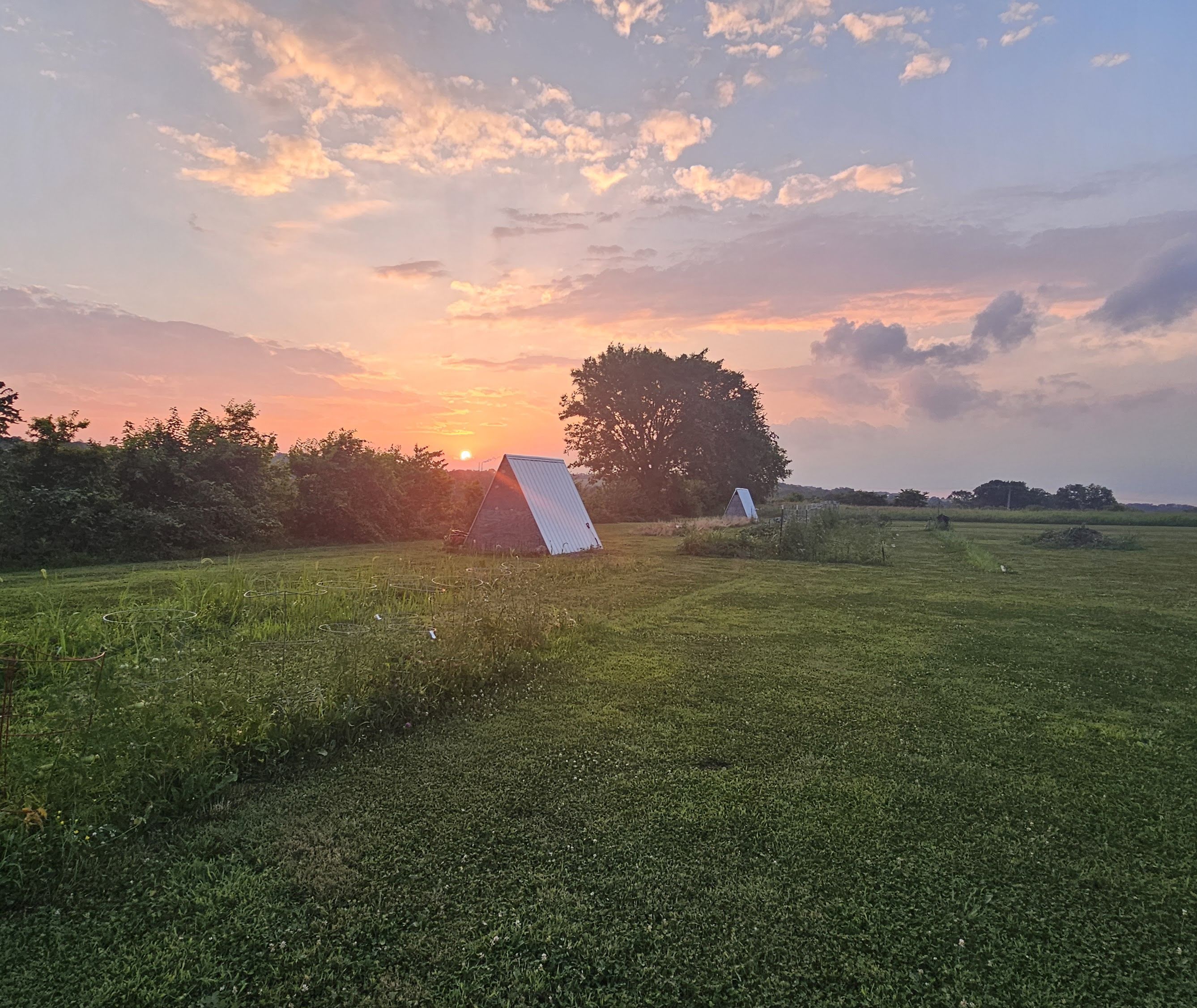
Kentucky farmstead at golden sunset with open green fields and farm structures

Buy Raw Land & Build

You find land with good soil, water access, and room to grow. We work backward from your vision: where will the house go? Where will you build barns, pastures, gardens? What infrastructure needs to happen first? Then we connect you with the programs that can help you finance the land purchase and the improvements.
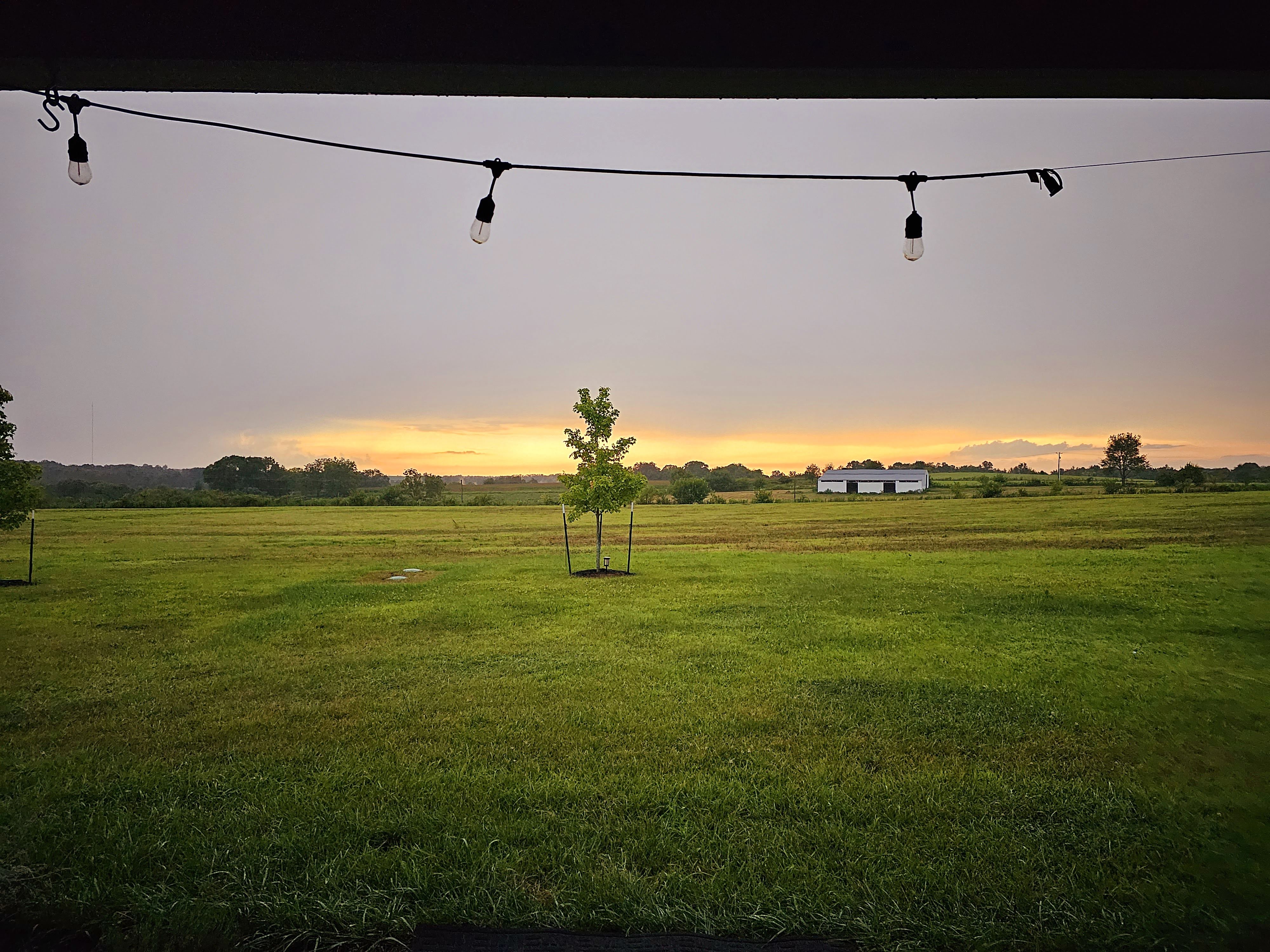
Kentucky farm at evening with string lights over open green fields and a barn in the distance

Step Into an Existing Farm

Someone's been farming this land for years. They're ready to transition. You get to step into an operation that already has infrastructure in place. Barns, fencing, established pastures. You improve it over time while you build your own vision. Both paths work. Both require understanding what you're actually getting into.

What Happens When You Call

You'll talk to someone who:

  • Actually farms. I'm not just reading about this. I live it.

  • Knows the programs. I spend real time staying current on financing options, grants, and incentives specifically designed for beginning farmers.

  • Looks out for your long-term success. I'm thinking about whether you can actually make this work in year one, year five, and year ten. Not just whether the deal closes.

  • Tells you the truth. Even when it's not what you want to hear. Especially when it's not what you want to hear.

  • Understands the work. Starting a farm isn't romantic. It's early mornings, infrastructure costs, learning curves, and real financial pressure. I'm not going to sell you a dream. I'm going to help you build something sustainable.

Is This Right for You?

  • You're a young farmer ready to own your own land instead of renting or working someone else's operation.
  • You're relocating to Kentucky to build a more self-sufficient or off-grid lifestyle, and you need land that actually supports that vision.
  • You've been dreaming about this but thought it was out of reach financially or that you weren't the "right kind" of person for it.
  • You want honest guidance, not someone chasing commission who'll sell you land that doesn't fit your needs.
  • You know what you want to do with the land and you need someone who understands the practical, financial, and agricultural side of making it work.

If any of that sounds like you, let's talk.

Kentucky Department of Agriculture

Want to start getting information straight from the source?

Head to the Kentucky Department of Agriculture's website to learn how you can be part of the farm community here in Kentucky.

Visit KY Dept. of Agriculture →

Ready to Begin?

Let's Have the Conversation

Whether you're just starting to explore the idea or you've been searching for the right property, I'm here to walk you through the process with honest guidance and real expertise. You might find out that your dream is closer than you think. Or you might find out that a different approach makes more sense. Either way, you'll know exactly what you're getting into and what options are actually available to you.

Want to learn more before we talk?